
Technical SEO Audit Checklist: 27 Things We Check on Every New Site
Content strategy gets most of the attention in SEO conversations, but technical issues are what quietly cap how well that content can ever rank. We run the same structured audit on every new account before writing a single page of content, since fixing a crawl error or a broken canonical tag is often worth more than any individual blog post.
This is that checklist, grouped into the six areas we work through in order, with a note on why each one matters and what it typically fixes when it’s wrong.
- Crawlability and indexation issues should always be checked first. Content can’t rank if Google can’t properly access it.
- Core Web Vitals affect both rankings and conversion rate, making them a rare dual-impact fix.
- Duplicate content and canonical issues are among the most common, least visible technical problems we find.
- Schema markup doesn’t directly boost rankings but significantly improves how pages appear in search results.
- A clean backlink profile matters as much as acquiring new links, since toxic links can actively suppress rankings.
Crawlability & Indexation (Items 1-6)
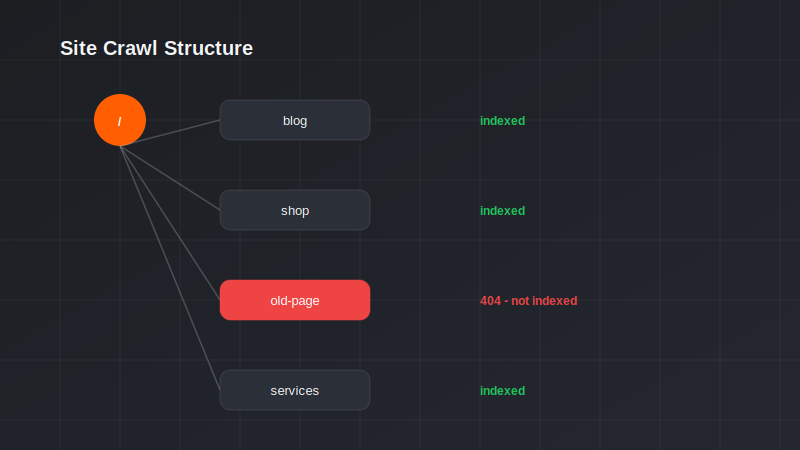
Nothing else on this list matters if Google can’t properly crawl and index your pages, so this is always where we start.
- 1. XML sitemap exists and is submitted to Google Search Console, and only includes pages you actually want indexed.
- 2. Robots.txt isn’t accidentally blocking important sections of the site, a surprisingly common issue after a site migration.
- 3. No orphan pages that exist on the site but aren’t linked from anywhere else, making them hard for both users and crawlers to find.
- 4. Canonical tags are correct and not accidentally pointing important pages to the wrong URL or to each other in a loop.
- 5. No crawl errors in Search Console left unresolved, particularly 404s on pages that still receive backlinks or traffic.
- 6. Redirect chains are cleaned up, since multiple hops between an old URL and its final destination waste crawl budget and dilute link equity.
Site Speed & Core Web Vitals (Items 7-11)
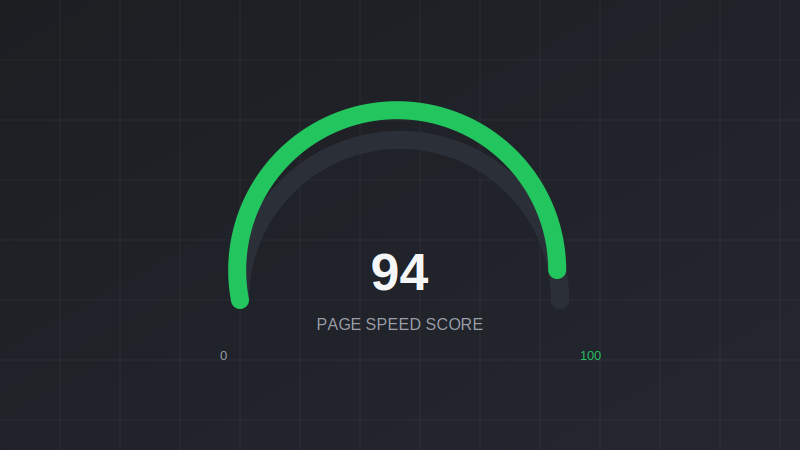
Page speed is one of the few technical factors that affects rankings and conversion rate simultaneously, which makes it worth prioritizing even beyond its direct SEO impact.
- 7. Largest Contentful Paint (LCP) under 2.5 seconds, since slow-loading hero images and unoptimized above-the-fold content are the most common culprits.
- 8. Cumulative Layout Shift (CLS) under 0.1, checking for images and ads without reserved space that cause visible page jumping.
- 9. Images properly compressed and served in modern formats like WebP, rather than uncompressed originals straight from a camera or design file.
- 10. Unused JavaScript and CSS identified and removed or deferred, since render-blocking resources are a frequent, fixable speed drag.
- 11. Hosting and caching configuration reviewed, since no amount of on-page optimization compensates for a slow server response time.
On-Page Structure (Items 12-17)
Once crawlability and speed are solid, we move to how individual pages are structured, both for search engines and for the people actually reading them.
- 12. One H1 per page, matching search intent, not stuffed with keywords disconnected from what the page actually delivers.
- 13. Logical heading hierarchy, H2s and H3s that actually nest under the right parent heading rather than jumping around for visual styling reasons.
- 14. Title tags and meta descriptions unique across every page, since duplicates confuse both search engines and searchers scanning results.
- 15. Internal linking is intentional, connecting related content and passing authority toward your most important pages, not just scattered navigation links.
- 16. URL structure is clean and readable, avoiding unnecessary parameters, excessive nesting, or non-descriptive strings.
- 17. No thin or duplicate content across near-identical pages competing against each other in search results.
Schema & Structured Data (Items 18-21)
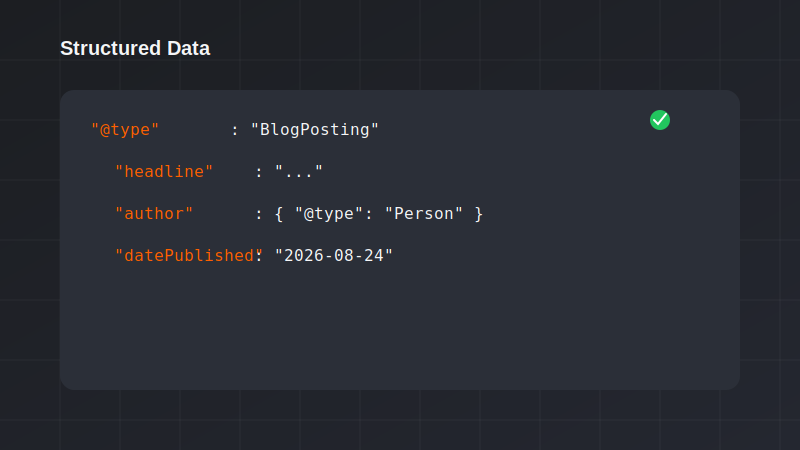
Schema markup doesn’t directly move rankings, but it dramatically changes how your pages can appear in search results, and that visibility difference often matters more than a ranking position or two.
- 18. Organization and website schema present sitewide, establishing basic entity information for search engines.
- 19. Service or Product schema on relevant pages, enabling richer search result displays for what you actually offer.
- 20. FAQPage schema on pages with genuine FAQ content, which can surface expandable answers directly in search results.
- 21. BreadcrumbList schema matching your actual site navigation, helping search engines understand site structure and often improving how URLs display in results.
Mobile & Technical Hygiene (Items 22-24)
- 22. Mobile usability checked directly on real devices, not just assumed from a responsive design, since tap targets and font sizing issues often only show up in hands-on testing.
- 23. HTTPS properly configured sitewide with no mixed-content warnings from HTTP resources loading on HTTPS pages.
- 24. Hreflang tags correct, for any site serving multiple languages or regions, avoiding the common mistake of missing return tags that confuse search engines about which version to show.
Backlink Profile (Items 25-27)
- 25. Toxic or spammy backlinks identified and disavowed where necessary, since a handful of low-quality links can suppress an otherwise healthy domain’s performance.
- 26. Broken backlinks redirected where possible, recovering link equity pointed at pages that no longer exist.
- 27. Link velocity looks natural, without sudden unnatural spikes that can trigger algorithmic scrutiny.
Running through all 27 items typically takes a full day on a mid-sized site, and it’s time that pays for itself: fixing the technical foundation before investing in content production means that content actually has a fair chance to rank once it’s published.
Want This Audit Run on Your Site?
We’ll run the full 27-point checklist against your site and hand you a prioritized list of what to fix first.
Book a Free SEO Audit →FAQs
How often should a technical SEO audit be repeated?
A full audit like this makes sense at least annually, or immediately after any major site change like a redesign, CMS migration, or significant URL structure change.
Can I run this checklist myself without SEO software?
Some items, like checking heading structure or reviewing meta descriptions, can be done manually. Others, like Core Web Vitals or backlink toxicity, are much faster and more accurate with tools like Google Search Console, PageSpeed Insights, and a backlink analysis platform.
Which item on this list has the biggest impact?
It genuinely depends on the site’s specific issues, but crawlability and indexation problems tend to have the most severe impact, since they can prevent otherwise-great content from ever being found by search engines at all.
Do I need schema markup if my site is already ranking well?
Yes, it’s still worth adding. Schema affects how you appear in results, not just whether you rank, so it can improve click-through rate even on pages that already rank well.
Is HTTPS still something sites get wrong in 2026?
Less often than a few years ago, but mixed-content issues (HTTP resources loading on HTTPS pages) still show up regularly, especially after site migrations or theme changes.
How long does it take to see ranking improvement after fixing technical issues?
Crawl and indexation fixes can show impact within days to weeks as Google re-crawls the site. Content and authority-related improvements from a cleaner technical foundation typically compound over several months.
Ready to Put This Into Practice?
Book a free 30-minute audit. We’ll review what you’re running today and show you exactly where the next dollar of budget should go.
Book Free Strategy Audit →