Best Affiliate Marketing for E-commerce Agency Near Me

Key Takeaways
- A well-run affiliate program needs active recruitment and management, not just a signup link and a hope it grows itself.
- Commission structure shapes affiliate behavior, flat-rate versus tiered versus performance-bonus each attracts a different kind of partner.
- Vetting agency experience specifically in affiliate management, not just general digital marketing, matters here.
- Fraud and low-quality traffic monitoring should be part of program management from day one, not an afterthought.
- Influencer-affiliate hybrids are an increasingly common and effective structure for e-commerce specifically, and work best as part of a broader ecommerce marketing strategy rather than a standalone channel.
Why Affiliate Programs Need Active Management
A common misconception is that setting up an affiliate network and commission structure is most of the work. In practice, the programs that generate meaningful revenue are the ones with ongoing active recruitment of new partners, regular communication and incentives to keep existing affiliates engaged, and continuous monitoring of which partners actually drive quality traffic versus which just generate clicks. Treating this as one channel within your wider ecommerce marketing plan, rather than a set-and-forget side project, is what separates programs that scale from ones that stall.
Choosing a Commission Structure
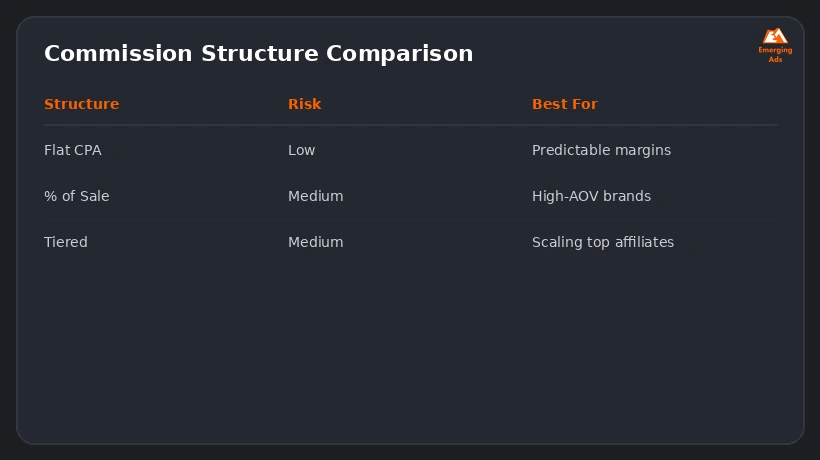
Flat-rate commissions are simple to communicate and predictable to budget for. Tiered structures reward higher-performing affiliates with better rates as they scale, which can motivate growth but adds complexity. Performance bonuses on top of a base rate work well for seasonal pushes. The right choice depends on margin structure and how much you want to reward volume versus loyalty.
What to Look for in an Agency
Affiliate management is a specific skill set distinct from general digital marketing, ask specifically about their experience recruiting and vetting affiliates, negotiating rates with larger partners, and monitoring for fraudulent or low-quality traffic. An agency that primarily runs paid social or search campaigns may not have deep affiliate-specific expertise even if they’re strong at other channels.
Building the Affiliate Funnel
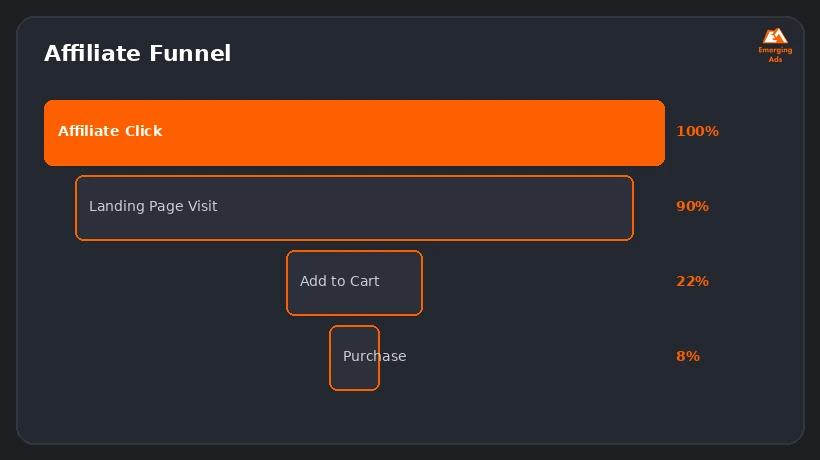
A clear path from recruitment to activation to ongoing performance: sourcing relevant affiliates and influencers, onboarding with clear brand guidelines and assets, activating them with an initial promotion push, then tracking and optimizing based on which partners actually convert, not just which generate clicks. This funnel works best when it’s coordinated with your other ecommerce marketing efforts, like cart abandonment flows and product feed campaigns, so affiliate-driven traffic converts at the same rate as your paid channels.
Protecting Against Fraud and Low-Quality Traffic
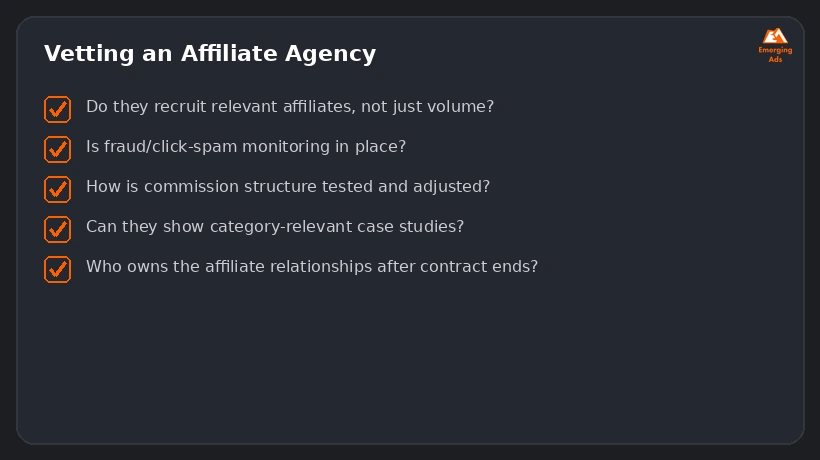
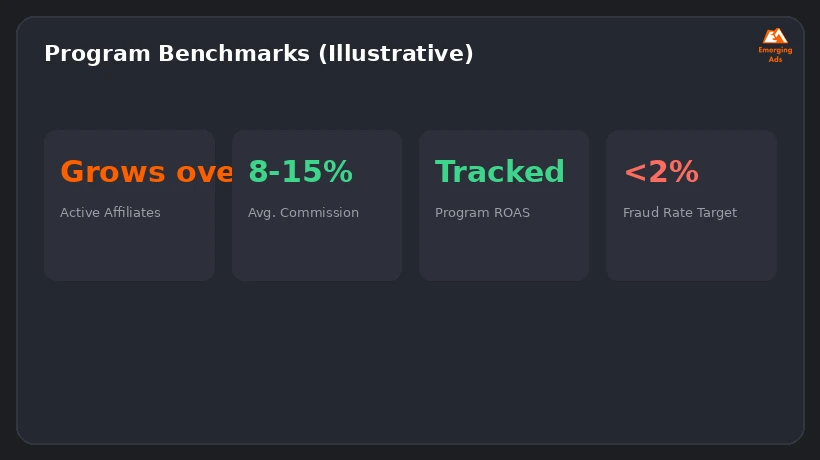
Coupon-code affiliates who claim credit for sales that would have happened anyway, and outright click fraud, are real problems in affiliate programs at any scale. Regular audits of conversion quality by affiliate, not just total volume, catch this before it quietly erodes program profitability.
Want us to look at your account?
We’ll audit your setup and tell you exactly where the budget is leaking, free.
Get Your Free Ad AuditFrequently Asked Questions
How much does affiliate program management typically cost?
Pricing varies by structure, some agencies charge a flat monthly management fee, others take a percentage of affiliate-driven revenue, get a clear breakdown before committing.
What commission rate is standard for e-commerce affiliates?
It varies significantly by product margin and category, there’s no universal standard, base the rate on your margin structure and what’s competitive within your specific category.
Do I need a local agency for affiliate marketing management?
No, affiliate program management is done remotely almost universally, prioritize proven affiliate-specific experience over physical location.
How is affiliate marketing different from influencer marketing?
Affiliate marketing is performance-based, partners earn commission on tracked sales, influencer marketing is often flat-fee or hybrid, though the two increasingly overlap in structure.
What platforms are commonly used to manage affiliate programs?
Common options include dedicated affiliate networks and software platforms that handle tracking, payouts, and partner recruitment tools, the right one depends on your platform (Shopify, WooCommerce, custom) and scale.
How do I know if affiliate traffic is genuine?
Monitor conversion rate and customer quality by individual affiliate, not just click or sale volume, a partner with unusually high clicks but poor conversion or high return rates warrants a closer look.
Should I let anyone join my affiliate program, or vet applicants?
Vetting is worth the effort, an open-join program without review tends to attract lower-quality or even fraudulent participants alongside legitimate partners.
How long does it take for an affiliate program to generate meaningful revenue?
Building a productive affiliate base typically takes several months of active recruitment and relationship-building, it’s rarely a fast channel to scale.
Can affiliate marketing work alongside paid advertising?
Yes, they’re complementary, affiliates often reach audiences through content and trust-based channels that paid ads don’t, without directly competing for the same ad inventory.
What’s coupon code fraud in affiliate marketing?
When an affiliate claims credit for a sale by having a customer apply their code at checkout, even though that customer would have purchased anyway, inflating the affiliate’s apparent contribution.
Ready to fix what’s costing you conversions?
Book a free, no-pressure audit of your ad account or website.
Get Your Free Ad Audit