What Is Amazon Vendor Central Management and How Does It Work
Key Takeaways
- Vendor Central means Amazon buys your inventory wholesale (1P), Seller Central means you sell directly to consumers (3P).
- Chargeback management is the single most time-consuming part of running Vendor Central well.
- Vendor Central gives access to advertising formats and placements Seller Central doesn’t, including some premium DSP inventory.
- You don’t choose Vendor Central, Amazon invites you, though the invitation can sometimes be requested.
- Content quality (A+ Content, brand story) has an outsized effect on conversion rate for 1P listings.
Vendor Central vs Seller Central: The Core Difference
Vendor Central is the first-party (1P) model: Amazon purchases your products wholesale through purchase orders and resells them as the merchant of record. Seller Central is third-party (3P): you list and sell directly to the customer, and Amazon is the marketplace, not the buyer. The two models have almost nothing in common operationally beyond both existing under the Amazon umbrella.
You typically don’t apply for Vendor Central the way you’d open a Seller Central account, Amazon extends an invitation, usually to brands with an established retail presence or strong sell-through data on the platform already.
What Day-to-Day Vendor Central Management Involves
- Managing purchase orders: accepting, fulfilling, and tracking POs Amazon sends based on their own demand forecasting
- Maintaining catalog content: titles, bullet points, A+ Content, and brand story pages
- Monitoring chargebacks and disputing incorrect ones before deadlines pass
- Coordinating with Amazon’s vendor manager (if you have one assigned) on promotions and forecasting
- Running Sponsored Products, Sponsored Brands, and DSP advertising against 1P listings
Unlike Seller Central, you don’t control pricing directly in the same way, Amazon sets the retail price based on your supplied cost and their own margin targets, though you can influence it through negotiated terms.
Chargebacks: The Part Nobody Warns You About
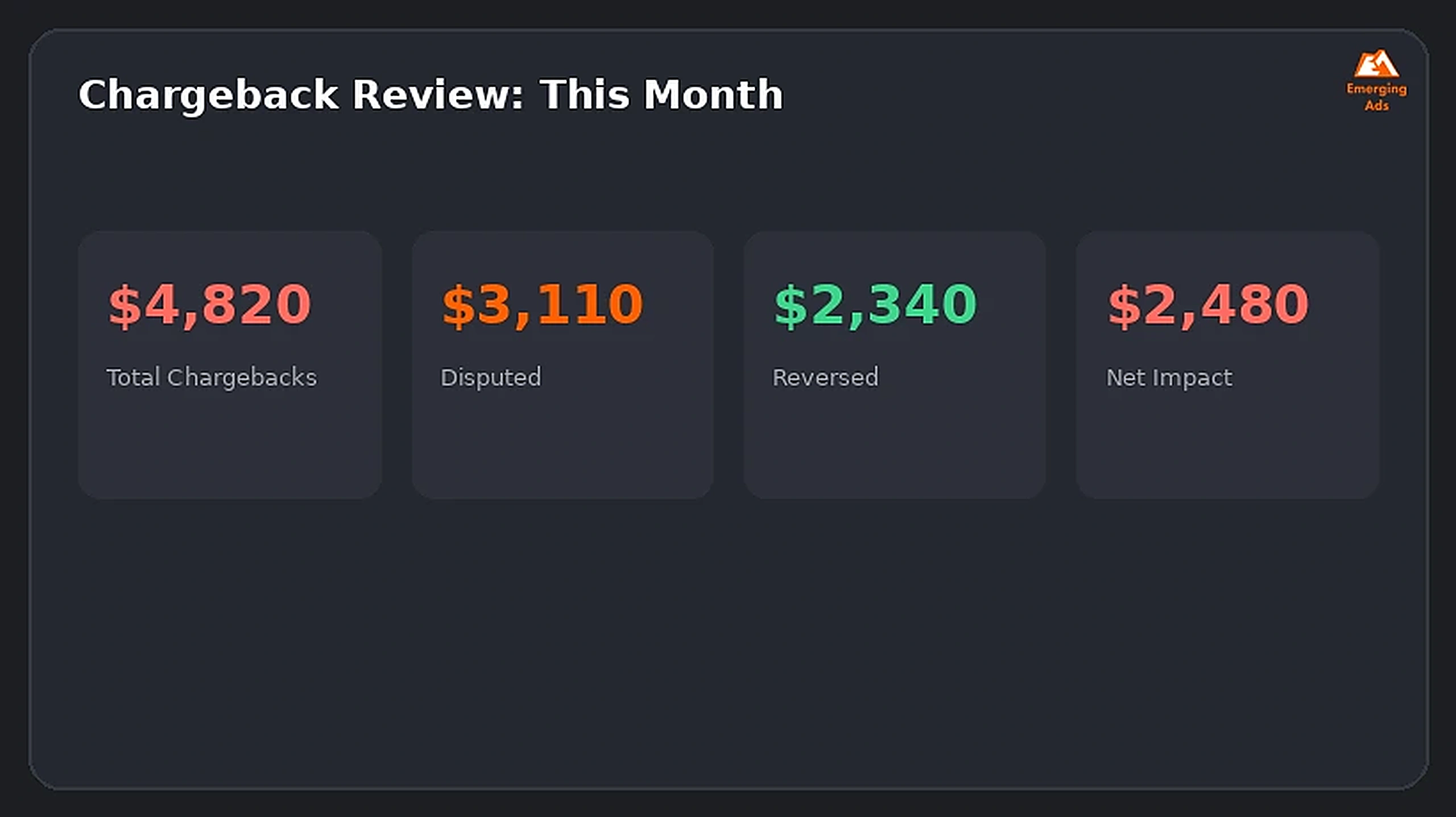
Chargebacks are fees Amazon deducts for compliance failures: shipping errors, packaging that doesn’t meet spec, incorrect labeling, or late PO fulfillment. For vendors without a dedicated process to catch and dispute these, chargebacks can quietly erode margin every single month. A real Vendor Central management process includes weekly chargeback review and a documented dispute process for anything that looks incorrect, because a meaningful share of chargebacks are reversible if disputed within Amazon’s window.
Advertising Options Unique to Vendor Central
Vendor Central accounts get access to advertising inventory and formats that Seller Central accounts historically haven’t, including certain Amazon DSP placements and video ad formats tied to brand pages. Sponsored Products and Sponsored Brands work similarly across both models, but 1P vendors often see stronger performance from Sponsored Brands because of deeper brand page integration and A+ Content driving higher conversion once the click lands.
Is Vendor Central Right for Your Brand
Vendor Central makes sense for brands that want Amazon handling fulfillment logistics and are comfortable ceding pricing control in exchange for retail-style purchasing and potentially better placement. It tends to suit larger, established brands more than early-stage ones, since managing POs and chargebacks well requires operational capacity that a lean team may not have yet. Many brands run a hybrid model, part Vendor Central, part Seller Central, to get retail scale on some SKUs while keeping direct control on others.
Want us to look at your account?
We’ll audit your setup and tell you exactly where the budget is leaking, free.
Get Your Free Ad AuditFrequently Asked Questions
How do I get invited to Amazon Vendor Central?
Amazon typically extends invitations based on sales history and brand strength on the platform, though brands can sometimes request consideration through Amazon’s vendor recruiting team.
Can I switch from Vendor Central back to Seller Central?
Yes, brands do transition between models, though it requires planning around existing purchase order commitments and content migration.
Why did Amazon charge back my account?
Common reasons include late PO fulfillment, incorrect case pack quantities, mislabeled cartons, or ASN (advance shipping notice) discrepancies. Review the chargeback code Amazon provides for the specific reason.
Does Vendor Central cost more to run than Seller Central?
There’s no listing fee structure like Seller Central’s referral fees, but the cost shows up in wholesale pricing to Amazon and in chargebacks if operations aren’t tight.
Can I run Sponsored Products ads on Vendor Central listings?
Yes, Sponsored Products, Sponsored Brands, and Amazon DSP are all available to Vendor Central accounts, often with some additional format options.
Who sets the retail price on Vendor Central?
Amazon does, based on the wholesale cost you provide and their own pricing algorithm, though you can negotiate cost terms that influence the retail price indirectly.
What is A+ Content and does it matter for Vendor Central?
A+ Content is enhanced product description formatting with images and comparison modules. It matters significantly for 1P listings since it directly affects conversion rate on paid traffic you’re already paying to send there.
How often does Amazon send purchase orders?
This varies by category and demand forecasting, but many vendors see weekly or bi-weekly PO cycles once established.
Is Vendor Central better for brand visibility than Seller Central?
Not inherently better, but the deeper brand page and content integration can improve conversion rate once you’re generating traffic through ads or organic search.
Do small brands ever succeed on Vendor Central?
Yes, but the operational overhead of PO management and chargeback disputes is real. Brands without a team member (or agency) dedicated to it often struggle more than they would on Seller Central.
Ready to fix what’s costing you conversions?
Book a free, no-pressure audit of your ad account or website.
Get Your Free Ad Audit