
How Much Does Attribution Modeling Cost

Key Takeaways
- Cost scales mainly with data complexity and number of channels, not company size alone.
- Off-the-shelf attribution software typically runs a predictable monthly fee, custom modeling is priced as a project.
- Multi-touch attribution requires clean, consistent tracking across every channel before the model itself is worth paying for.
- Marketing mix modeling is a different approach entirely, and usually costs more due to the statistical work involved.
- The biggest hidden cost is the tracking cleanup most businesses need before attribution numbers can be trusted.
What Drives the Price Up or Down
Attribution pricing isn’t primarily about company size, it’s about how many channels you’re trying to connect and how messy your existing data is. A business running Google, Meta, and email with clean UTM discipline is a much smaller project than one running six channels with inconsistent tracking and no clear source of truth.
Software vs. Custom Attribution Modeling
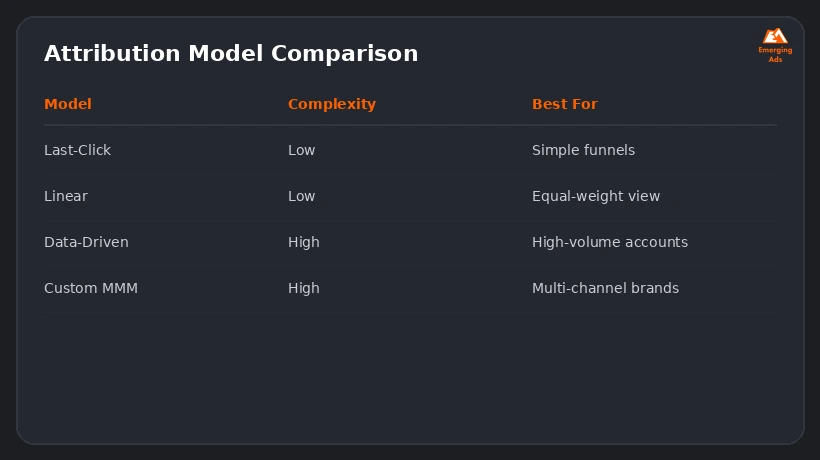
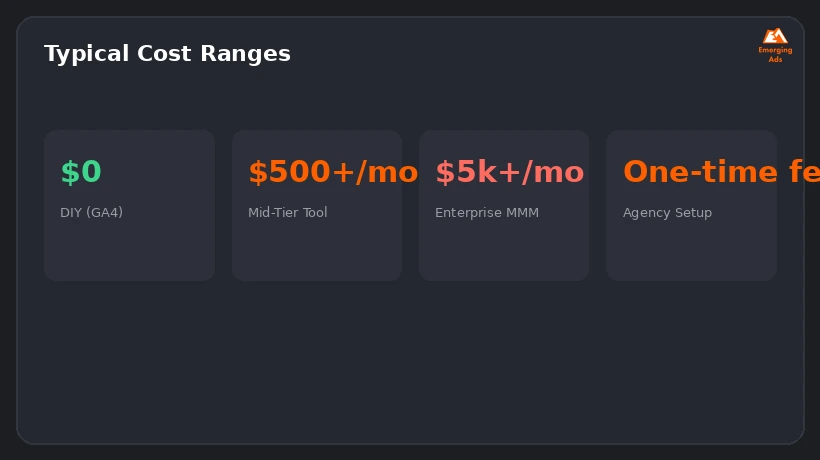
Off-the-shelf attribution tools charge a recurring monthly fee based on tracked event or session volume, this covers most mid-size businesses adequately. Custom multi-touch or marketing mix modeling is typically a project-based engagement involving a data analyst or statistician, priced by scope rather than a flat rate, and reserved for businesses with enough spend and data volume to make the deeper analysis worthwhile.
The Hidden Cost: Tracking Cleanup
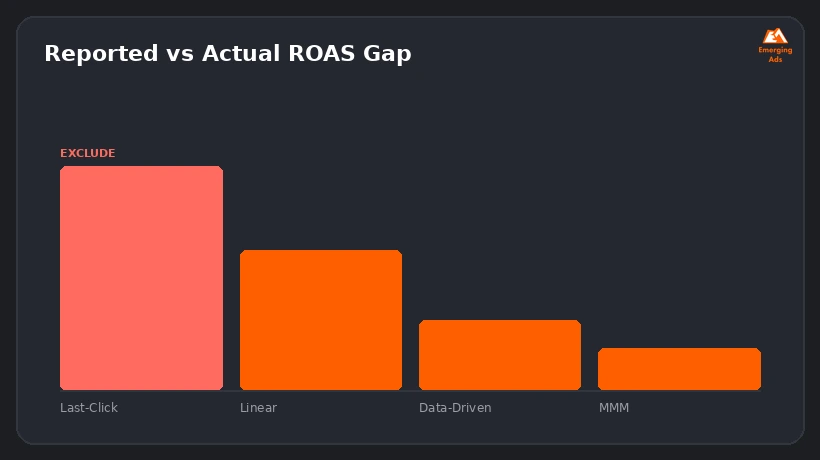
Most businesses underestimate this. If UTM parameters are inconsistent, conversion events are duplicated or missing, or server-side tracking isn’t in place, the attribution model built on top of that data will produce misleading numbers no matter how sophisticated it is. Budget for a tracking audit and cleanup phase before the attribution build itself.
How to Set Up Attribution Modeling Step by Step
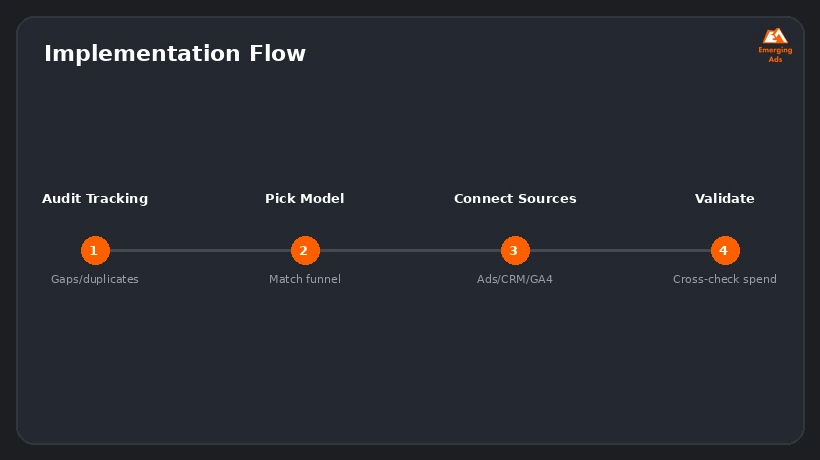
- Audit existing tracking across every channel and fix broken or inconsistent UTM tagging
- Standardize conversion event definitions so every platform is counting the same action the same way
- Choose a model type, rules-based multi-touch for most mid-size businesses, statistical marketing mix modeling for larger, higher-spend accounts
- Connect data sources into a single reporting layer, whether that’s the attribution tool’s native dashboard or a data warehouse
- Validate the model against known results for a few campaigns before trusting it for budget decisions
What a Reasonable Budget Range Looks Like
Rather than quoting a single number that won’t fit most businesses, the honest framing is this: expect a tracking cleanup phase as a one-time cost, then either a recurring software subscription scaled to your event volume, or a larger custom project fee if you need marketing mix modeling. Get a scoped quote based on your specific channel count and data state rather than anchoring to an industry-wide average.
Want us to look at your account?
We’ll audit your setup and tell you exactly where the budget is leaking, free.
Get Your Free Ad AuditFrequently Asked Questions
What’s the difference between multi-touch and marketing mix modeling?
Multi-touch attribution tracks individual user journeys across touchpoints using tracking data, marketing mix modeling uses statistical analysis of aggregate spend and outcomes, often without relying on individual-level tracking.
Is attribution modeling worth it for a small business?
It depends on ad spend and channel count, a business running one or two channels may get enough clarity from platform-native reporting, multi-channel spenders benefit more from a unified model.
How long does attribution modeling implementation take?
A software-based setup can be running within a few weeks once tracking is clean, custom modeling projects typically take longer due to the data validation involved.
What tracking needs to be in place before attribution modeling works?
Consistent UTM parameters, standardized conversion event definitions across platforms, and ideally server-side tracking to reduce data loss from browser restrictions.
Does iOS privacy tracking affect attribution accuracy?
Yes, platform-level tracking restrictions have made server-side and first-party data increasingly important for attribution accuracy across all model types.
Can attribution modeling replace platform-reported conversions?
It should supplement rather than fully replace them, a good model reconciles differences between platform-reported and model-attributed conversions rather than ignoring platform data.
What’s a rules-based attribution model?
A simplified multi-touch approach that assigns credit to touchpoints using fixed rules, like equal weighting or more credit to first and last touch, rather than a statistical model.
How often should an attribution model be revalidated?
Quarterly at minimum, and any time a major channel mix shift or tracking change occurs, models can drift out of accuracy as data patterns change.
Do I need a data analyst on staff for attribution modeling?
Not necessarily for software-based tools, but custom marketing mix modeling generally requires either an in-house analyst or an agency with that specific statistical expertise.
What’s the biggest reason attribution projects fail?
Skipping the tracking cleanup phase and building a model on top of inconsistent or incomplete data, the model’s outputs are only as reliable as the data feeding it.
Ready to fix what’s costing you conversions?
Book a free, no-pressure audit of your ad account or website.
Get Your Free Ad Audit